
Will an AI coach replace your human coach? What aviation learned about automation


I've spoken to a lot of athletes about training, coaching and scheduling, and many of them believe the cheapest and best plan now comes from an AI coach from platforms like ChatGPT, Claude, Gemini and Grok. For some of them, they're right.
The rise of AI training apps, and why the question is a fair one
AI is one of the biggest technological developments of recent years, so it's no surprise it has found its way into training. The science is already out there. Coaches such as Joe Friel, Jack Daniels and Andy Coggan have published their training zones and philosophies widely, and AI can absorb and apply them. Combine that with an individual's own data and you get a reasonable programme that progresses sensibly, builds in recovery and helps you improve.
The same thinking now runs through the apps many of us already use. Runna, one of the most popular running apps, adapts your plan based on the paces you hit, and its Runna AI feature explains those changes. Garmin and Strava have both added AI assistants that turn your workouts and recovery metrics into plain English. For the average athlete, the use case is a strong one.
The problem comes when AI is left to its own devices, with no coach in the loop, and the decisions it makes from the data don't match the whole picture.
How aviation handles automation: the pilot, the autopilot and the ironies of automation
Aviation has spent nearly 50 years learning a lesson that every industry adopting AI is about to relearn: automation doesn't remove the human. It changes the human's job.

In 1983, psychologist Lisanne Bainbridge described the "ironies of automation". She argued that the more we automate, the more critical the human operator becomes, yet the less practice they get at the skills they'll need when the automation fails. Aviation has spent the decades since building the habits that manage that risk: crew resource management, automation management training, and a culture of staying in the loop.
When an aircraft is flying with the autopilot engaged, the physical task of flying is taken off the pilot's hands. Keeping the aircraft level, at the right speed and heading in the right direction is handled by the system. What the pilot doesn't do is leave the cockpit and wait for the landing.
Instead, the pilot's role shifts from hands-on flying (still well trained, for when the automation fails) to systems management. They cross-check that the automation is flying the aircraft as it should, and correct it when it drifts. They feed in new information as it develops, whether that's an altitude change or a reroute around weather. And because they're not hand-flying, they have spare mental capacity to deal with the unplanned.
An emergency, a fuel leak, a passenger taken ill or a storm across the route: the pilot can assess the situation calmly and make sound judgement calls while the automation keeps the aircraft flying.
What an AI coach does well in training: data, trends, scheduling
In training terms, AI is very good at the "flying": the steady, repeatable work of keeping a plan on course.
It handles data far better than any of us can. A single week of training can produce thousands of data points across heart rate, pace, power, sleep and HRV. AI can pull all of that together in seconds and present it clearly, where a person would need hours with a spreadsheet.
It spots trends early. A gradual rise in resting heart rate, a run of poor sleep, or training load climbing faster than it should are easy to miss day to day. AI doesn't get bored or distracted, so it flags them consistently.
It's quick at scheduling. Miss a session, move a long run or lose a day to work, and it can reshuffle the week in moments while keeping the overall load sensible.
It's also consistent and available. It applies the same proven principles every time, it's there at 6am or 10pm, and it costs a fraction of a coach.
For a healthy athlete with a predictable routine and a clear goal, that covers a lot of what a plan needs. Like an autopilot on a calm day, it will keep you level, on speed and heading in the right direction.
What it can't do: context, judgement, knowing when life is the limiter
The autopilot only knows what its sensors tell it, and training AI is the same. It sees your heart rate, your pace and your sleep score. It doesn't see the deadline at work, the newborn keeping you up, the parent in hospital or the argument you had before your run. For most age-group athletes, the limiter isn't fitness. It's life.
It reacts rather than anticipates. AI adjusts once the data has changed, after the bad night's sleep, the missed session or the drop in HRV. A coach who knows what's coming next week can adjust before any of that shows up.
It can't read the person. "I'm fine" can mean fine, or it can mean anxious about the race, losing motivation or quietly carrying a niggle. Spotting the difference comes from conversation and knowing the athlete, not from a dashboard.
It struggles with judgement calls in the grey areas. Is that calf tightness something to train through or a reason to stop? Is this block worth the risk with a big race in six weeks? Those decisions weigh up history, risk and what matters most to the athlete, and they rarely have a clean answer in the data.
And there's Bainbridge's irony again. Hand every decision to an app and you never learn to read your own body. When the plan stops making sense, you're left without the skills to take over. A good coach builds that skill in you, so you understand why the plan says what it says.
None of this makes AI bad. It just means it works best with someone in the seat.
How I use technology with my athletes, and why every plan is written by me
In the same way a pilot uses the autopilot to manage the aircraft, I use AI to help manage my athletes' training. It's my co-pilot, helping to review each athlete's data together into clear graphs for me to interpret. It also flags when something looks off, such as a spike in training load, a dip in HRV or a run of poor sleep. I then sit in the captain's seat, applying my experience and judgement to decide whether the athlete carries on as planned or we ease off.
Just as often, the data tells me everything's fine. The aircraft is on height, on speed and heading in the right direction. What the automation doesn't know is that there's a storm ahead: the athlete is about to spend a week away with work, putting in long hours with little time to train or recover, followed by a family holiday with plenty of time to rest but not much to train.
That's where I come in as a coach. I look ahead and adjust the course early, so we avoid the storm rather than fly into it.
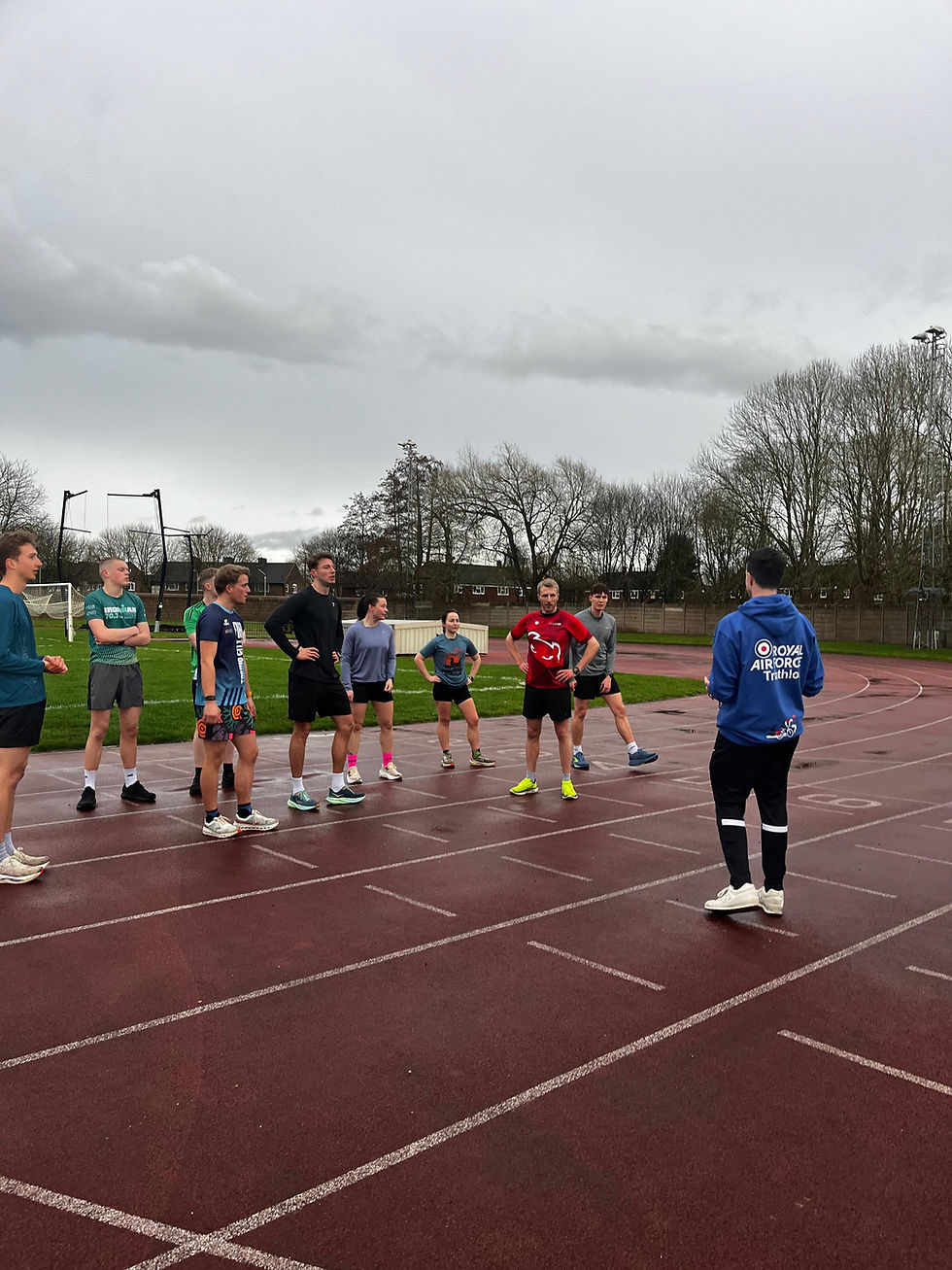
Every session in my athletes' plans is written or signed off by me. The technology takes care of the analysis, so I can spend my time where it matters: on the person doing the training.
If you want a coach who's in the loop, not just an app, book a free call and let's talk about your goals.


Comments