
You Can't Manage What You Can't See: 17 Days Inside My Own Metabolism
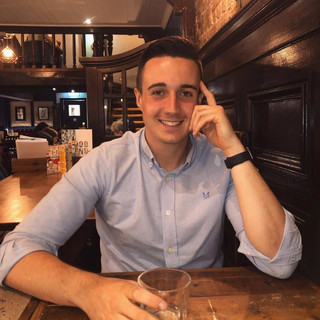

In my work in human factors, a lot of what I do comes down to a single idea: you cannot manage what you cannot see. Before anyone makes a good decision, they first have to perceive the situation accurately. Pilots call that situational awareness, and most of the errors we study do not start with a bad choice. They start with an incomplete picture.
So when I had the chance to see something I normally only guess at, my own blood glucose, I was always going to take it.
Why I did it
As an endurance athlete I make fuelling decisions all day long. What to eat before a session, what to take on the bike, whether that mid-afternoon snack is helping or just habit. Almost all of it runs on feel and assumption. I wanted to replace some of that guesswork with data, not because I suspected anything was wrong, but because measuring something is almost always more useful than assuming it.
It is the same instinct I bring to performance work generally. The margins that matter are usually the ones you have stopped noticing.
What I did

I wore a continuous glucose monitor across two short windows about two months apart. The first was in April, when I was marathon-fit and training hard. The second was in June, when I was detrained and working back from an ankle injury, two genuinely different versions of myself. Alongside the glucose data I logged what I ate and when, then lined the two up. Around 17 days of data in total; nothing fancy. Just a sensor on my arm, a food log, and a bit of patience.
What I found
Three things stood out, and none of them were what I expected.

First, the numbers themselves were reassuringly unremarkable. Stable, sitting in a healthy band, with nothing that surprised or worried me. That answered a quiet background question and let me focus on the more interesting part.
Second, and this is the real lesson: quantity turned out to be a terrible predictor of my response. A large plate of pasta barely registered. A single small tea cake produced one of the sharpest rises in the whole experiment. Over and over, big mixed savoury meals were handled smoothly, while small sugary or sugary-and-fatty treats punched well above their weight. The amount of food told me very little. The type and the context told me almost everything.
Third, my training state mattered far less than I assumed. Marathon-fit April and detrained June looked almost identical. Whatever I expected fitness to be doing to my metabolism week to week, the data politely disagreed.
There was one more finding, and it was a mirror rather than a number. I eat a lot, and I eat often, more often than I would have guessed. Feel had hidden a habit that the data made obvious in about a day.
What I am taking from it
Not a diet overhaul. Better awareness. A handful of small, specific decisions, like timing certain foods around training and knowing which treats actually move me, instead of a set of rules I would never keep.
And honestly, the most valuable thing was not the monitor at all. It was the act of looking. We debrief races and sessions to learn from them. We rarely debrief ourselves. For two weeks I ran a debrief on a system I live inside every day and mostly operate on autopilot, and I came out of it understanding it a little better.
That is the whole point of the performance margin. It is rarely one big thing. It is usually the small things you can finally see.
A note before you copy me
This was an experiment of one, on me, out of curiosity. A glucose monitor is not a diagnostic tool, and none of this is health advice. If you are genuinely curious about your own metabolic health, that is a conversation for your GP and a proper blood test, not a gadget on your arm. The value here was in the looking, not the kit.


Comments